



Shigella sonnei : Intestinal Infection
An outbreak of shigella bacteria is believed to be the reason behind the recent incident of suspected food poisoning in Kasaragod district, Kerala.
- Earlier in 2019, the bacteria were found in Koyilandy district, Kerela.
Shigella Bacteria

- Shigella is a genus of bacteria that causes an infection called shigellosis. It is thesecond leading cause of diarrhea (after Rotavirus) worldwide and the third leading cause of death in children less than 5 years old.
- The annual number of shigellosis episodes throughout the world is estimated to be 164.7 million.
- Possible Symptoms: Symptoms include diarrhoea, fever, stomach cramps which can last for seven days.
- Transmission: Shigella is generally transmitted through contaminated food or water, or through person-to-person contact.
- Shigellosis is primarily a disease of poor and crowded communitiesthat do not have adequate sanitation or safe water.
- Incubation Period: The incubation period of shigellosis is typically 1–4 days.
- Different Species: The severity of the disease varies by the infecting species:
- Shigella dysenteriae infectionsusually cause dysentery, which may also occur in infection with Shigella flexneri .
- Shigella boydii and Shigella sonneioften have self-limited watery diarrhea.
- Vaccines: Currently, there are no vaccinesavailable for shigellosis.
- Medium Priority Bacteria: Due to the increasing rate of multidrug resistance, in particular resistance to fluoroquinolonein Asian and African regions, this has been classified as a medium priority for research and development of new and effective antibiotic treatments by the WHO Priority Pathogens List of antibiotic-resistant bacteria.
Treatment Protocol
- Hydration:The cornerstone of shigella treatment is the maintenance of hydration and electrolyte balance.
- In young children, oral rehydration with a reduced osmolarity solutionis indicated to treat the WHO-defined category of some dehydration and is preferable to intravenous fluids unless severe dehydration is present.
- Use of Antibiotics:Although shigellosis is primarily self-limiting, antibiotics are recommended for reducing illness duration and for preventing transmission.
- The current drugs of choice are third-generation cephalosporins (ceftriaxone or cefixime) and macrolides (azithromycin).
- Public Hygiene:Handwashing is said to reduce shigella transmission by 70%. Recommended public health control measures are exclusion of ill people with shigellosis from work, food preparation, and childcare.
Probiotics and Prebiotics
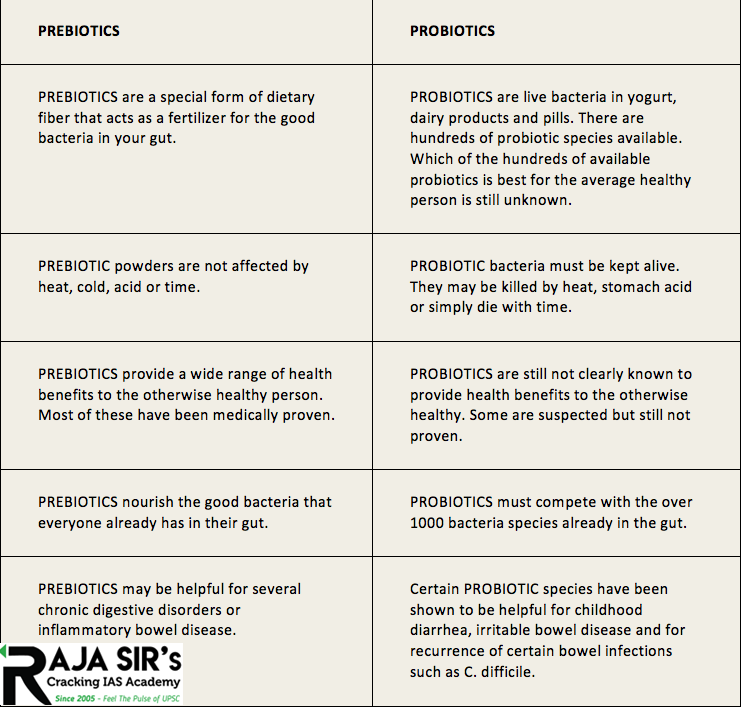
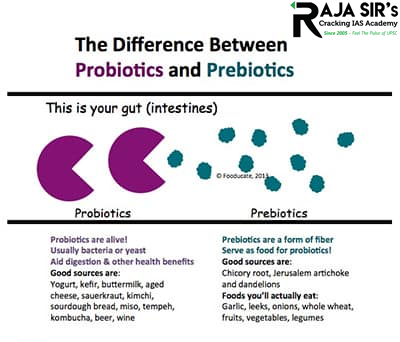
Probiotics are live microorganisms that, when administered in adequate amounts, confer a health benefit to the host. There are different groups of probiotic microorganisms. Prebiotics are nondigestible dietary ingredient that beneficially affects the host by selectively stimulating the growth or activity of a limited number of bacteria in the colon. That definition has been modified by many people, but it is a simple one. Fructooligosaccharides are a primary example of prebiotics, whereas nonstarch polysaccharides, plant wall polysaccharides, and pectins, among other carbohydrates, are not necessarily prebiotic agents, but most are classified as dietary fiber. Thus, all fiber is not prebiotic, and all prebiotics are not fiber, but what fiber and prebiotics have in common is that neither is digestible by human enzymes. Rather, they are fermented and digested by the microbiota of the intestine.
Lactobacillus plantarum JBC5
- Lactobacillus plantarum JBC5 showed great promise in promoting healthy ageing in a model organism, Caenorhabditiselegans, a worm with genetic characteristics similar to those of humans.
- LPJBC5 improved learning and memory.
- LPJBC5 conferred resistance against abiotic and biotic stresses such as oxidative, heat, and pathogen.
- LPJBC5 reduced the production of reactive oxygen species and improved mitochondrial function, thereby reducing apoptosis in worms.
 E. coli
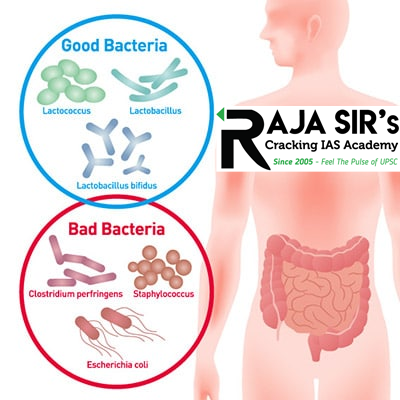
Most E. coli strains are beneficial to humans. They live in our intestines and produce important vitamins, such as vitamin K and B-complex vitamins, which we absorb.
E. coli or Escherichia coli bacterial strain was named after its discoverer, the German pediatrician Theodor Escherich. As a natural bacterium in the intestinal tract of humans, other mammals and birds most E. coli bacteria are harmless.However, there are also strains of bacteria that are pathogenic, i.e. disease-causing, and can lead to bacterial infections. If there are apathogenic (non-pathogenic) E. coli bacteria in the intestine, this is not of further concern. Pathogenic species, on the other hand, are dangerous to health: if they reach other parts of the body outside the intestine, the risk of infection or disease is increased.
Botulism
Botulism is a rare but serious illness caused by a toxin that attacks the body’s nerves and causes difficulty breathing, muscle paralysis, and even death. This toxin is made by Clostridium botulinum bacteria. These bacteria can produce the toxin in food, wounds, and the intestines of infants.
2005 - Nobel Prize for H. pylori Discovery
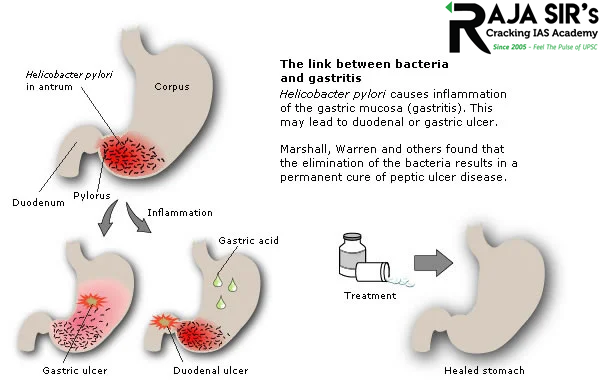
The ulcer-causing gastric pathogen Helicobacter pylori is the only bacterium known to colonize the harsh acidic environment of the human stomach. H. pylori survives in acidic conditions by producing urease, which catalyzes hydrolysis of urea to yield ammonia thus elevating the pH of its environment.
The bacterium Helicobacter pylori that colonises the human stomach is now usually seen as a disease-causing organism. Pioneering research carried out by Barry J. Marshall and J. Robin Warren established infections by this bacterium as the most common cause of peptic ulcers.
It is now known that the spiral-shaped bacterium, with its four flagella, is able to penetrate deep into the stomach lining''s thick mucus where it converts urea, a waste product in the stomach, into ammonia. This provides the bacteria with the weapon to counter the acidic environment and enables them to colonise the lower stomach region. H. pylori needs an environment with only 5 per cent oxygen, the exact level of oxygen in the stomach.
Subsequent studies found that 90 per cent of people with duodenal ulcers and up to 80 per cent of people with gastric ulcers are infected with H. pylori. Infection, rather than lifestyle, was identified as the root cause of stomach ulcers. The findings also suggested that as long as the bacteria remained, the inflammatory condition would persist; ulcers could be cured only if the stomach could be rid totally of the bacteria. Thanks to this path-breaking discovery, which came in 1982, peptic ulcers, often resulting in severely disabling conditions including stomach cancer with life-long medication, are no longer a chronic ailment. It is now a disease that is curable with a regimen of antibiotics and acid blockers.
In most circumstances, it appears that H. pylori does not cause disease unless the delicate balance between the host and the organism is disturbed by other factors. There is a lot of ongoing research to identify these; while some say that they may well include stress and diet, recent research also suggests that a human immune system dysfunction in recognising microbial products can result in disease development.
CODEX
The Codex Alimentarius Commission(CAC) is an intergovernmental body established jointly by the UN’s Food and Agriculture Organisation (FAO) and the World Health Organisation (WHO) in 1963, within the framework of the Joint Food Standards Programme. The Secretariat of the CAC is hosted at FAO headquarters in Rome.
The Agreement on Application of Sanitary and Phytosanitary Measures (SPS)of the World Trade Organization (WTO) recognizes Codex standards, guidelines and recommendations as reference standards for international trade and trade dispute settlement
Currently the Codex Alimentarius Commission has 189 Codex Members made up of 189 Member Countries and 1 Member Organization (The European Union). India became the member of Codex Alimentarius in 1964.
- Codex Standards cover all the main foods, whether processed, semi-processed or raw.
- In addition, materials used in the further processing of food products are included to the extent necessary for achieving the principal objectives of the code.
- Codex provisions concern the hygienic and nutritional quality of food, including microbiological norms, food additives, pesticide and veterinary drug residues, contaminants, labelling and presentation, and methods of sampling and risk analysis.
Codex Committee on Spices and Culinary Herbs (CCSCH):
It was formed in 2013.
- Terms of Reference:
- To elaborate worldwide standards for spices and culinary herbs in their dried and dehydrated state in whole, ground, and cracked or crushed form.
- To consult, as necessary, with other international organizations in the standards development process to avoid duplication.
- Host:
- India is the host country and Spices Board India is the Secretariat for organising the sessions of the committee.
- Spices Board (Ministry of Commerce and Industry) is the flagship organization for the development and worldwide promotion of Indian spices.
- India is the host country and Spices Board India is the Secretariat for organising the sessions of the committee.
Food Safety and Standards Authority of India (FSSAI)
The Food Safety and Standards Authority of India is a autonomous statutory body under Food Safety and Standards Act, 2006. The Food Safety and Standards Act (FSS) of 2006 is the primary legislation governing food safety and standards. This act also establishes the framework for developing and enforcing food safety regulations in India. On a state level, the FSSAI selects food safety officials. The Ministry of Health and Family Welfare has administrative jurisdiction over the FSSAI. It is headquartered in Delhi.
Landmark Cases With FSSAI
Nestle India Limited Maggi Case: Maggi noodles were found to contain too much lead to be safe for human eating, and the Food Safety and Standards Authority of India (FSSAI) recommended that they be banned.
Cadbury India: Worms were discovered in Cadbury's Dairy Milk, according to reports. The FSSAI decided that the packing was not suitable or airtight and ordered that it be changed.
FSSAI Guidelines On Trans Fats
- On December 29, 2020, the Food Safety and Standards Authority of India (FSSAI) reduced the permissible limit of trans fatty acids (TFA) in oils and fats to 3% for 2021 and 2% by 2022, against the earlier cap of 5%. The decision was affected by an amendment to the Food Safety and Standards (Prohibition and Restriction on Sales) Regulations.
- The new rules apply to edible refined oils, vanaspati (partially hydrogenated oils), margarine, bakery shortenings, and other cooking media like vegetable fat spreads and mixed fat spreads.
- In 2018, the World Health Organization (WHO) had called for global elimination of industrially-produced TFAs by 2023.
FSSAI Proposes Conditional Licensing For Proprietary Foods
- Proprietary food products are those for which no identification standards have been set under any current rules, but which are generally prepared using allowed ingredients and additions.
- The FSSAI's Conditional Licensing concept is to monitor the market penetration of items whose composition has been diluted to avoid compliance with regulated food products.